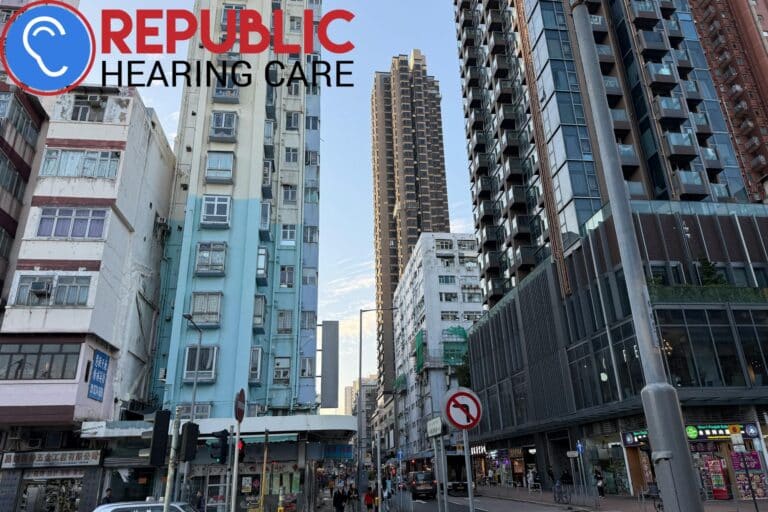

Noise pollution has become an unavoidable part of modern life. Whether it’s the steady rumble of traffic, the hum of machinery, or the occasional blast of loud music, our ears are exposed to more sound than ever before. For older adults especially, this constant noise can accelerate hearing problems that may already be developing with age.
Understanding how noise pollution affects your hearing and what you can do to protect yourself is essential for maintaining long-term auditory health.
What Is Noise Pollution?
Noise pollution refers to unwanted or disruptive sounds that interfere with daily activities, communication, or well-being. Common contributors include:
- Busy roads and highways
- Construction and industrial equipment
- Loud entertainment venues
- Everyday household appliances
As urban environments grow and technology evolves, the volume and frequency of these noises continue to increase, making noise pollution a rising concern for public health.
How Noise Pollution Affects Hearing
Inside the inner ear are delicate hair cells responsible for converting sound waves into electrical signals for the brain. These cells do not regenerate—once damaged, they cannot be repaired.
Exposure to loud noise can lead to two major types of hearing damage:
Temporary Threshold Shift (TTS)
A short-term reduction in hearing ability after exposure to loud sounds. Hearing may feel “muffled” or dull but often returns to normal after rest.
Permanent Threshold Shift (PTS)
Repeated or prolonged exposure to high noise levels can cause permanent hearing loss. Damaged hair cells fail to transmit sound accurately, resulting in long-term auditory impairment.
Common symptoms include:
- Ringing or buzzing in the ears (tinnitus)
- Difficulty understanding conversations, especially in noisy environments
- Muffled or distorted hearing
Long-Term Consequences of Ignoring Noise Pollution
Untreated noise-induced hearing loss can lead to:
- Social withdrawal due to difficulty communicating
- Emotional challenges such as frustration, anxiety, and depression
- Cognitive decline, including an increased risk of dementia
- Reduced overall quality of life
- Increased cardiovascular risks, as studies link noise exposure to hypertension and heart disease
Protecting your hearing is far more than just protecting your ears—it supports your total health and well-being.
Protecting Your Hearing from Noise Pollution
Fortunately, practical steps can significantly reduce your risk:
Wear Ear Protection
Use foam earplugs, custom ear molds, or noise-canceling earmuffs when in loud environments such as concerts, airports, or construction zones.
Keep Volume in Check
Follow the “60/60 rule”: listen at no more than 60% volume for no more than 60 minutes at a time when using headphones or earbuds.
Choose Quieter Options
Consider appliances designed for low noise output and explore soundproofing solutions for your home.
Take Listening Breaks
Allow your ears time to rest after exposure to loud sounds, giving the hair cells an opportunity to recover.
When to Seek Professional Help
If you frequently encounter noise or notice early symptoms of hearing loss, it’s essential to schedule a hearing evaluation. Professionals at Republic Hearing Care provide comprehensive assessments and personalized recommendations to protect and preserve your hearing.
Early intervention can prevent further damage—and give you peace of mind.
Conclusion
Noise pollution poses significant risks to long-term hearing health, but the good news is that proactive steps can make a major difference. By staying informed and taking preventive measures, you can safeguard your hearing for years to come.
Ready to put your hearing health first?
Schedule an appointment with Republic Hearing Care today and start taking control of your auditory wellness. A healthier, clearer tomorrow begins with the choices you make today.


